

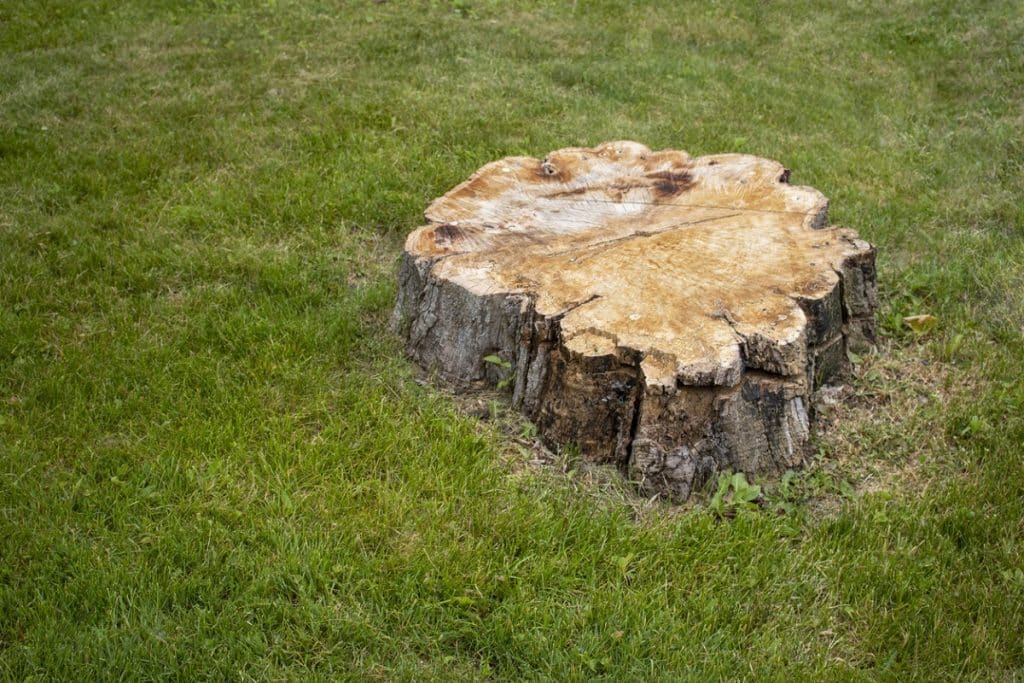
Tree removal is necessary for a host of practical, safety, and aesthetic reasons. The removal of the tree canopy from any location, however, raises the risk of soil erosion. The tree leaves keep precipitation from landing hard, and the tree roots hold the soil together against running water. Likewise, the tree itself consumes a lot of water. Preventing all that water from carrying off the exposed soil is critical.
Why Tree Removal Encourages Soil Erosion
In addition to the loss of the canopy and the root system, the ground disturbance from the work often loosens the soil. Likewise, remaining roots in the ground decompose over the years. This can cause cavitations that sink the ground. Also, removing the tree causes the nutrient cycle to break down. Without the right plants, nothing restores the nutrients.
What to Watch For
Exposed rocks are a sign that the soil is eroding. Water carries away the lighter soil, leaving behind heavier materials, which tend to be gravel and bigger stones. You might see gullies or channels form, especially during rain events. Likewise, water may pool if there’s a cavitation.
What to Do After Tree Removal
Your first goal should be to deal with the leftover stump or the new hole. Stump grinding is a common solution. Likewise, many people order a load of fill to level the ground if there’s a hole. If you do this, make sure to level the ground.
It’s also wise to bring in topsoil. In many cases, the topsoil needs to be amended. You can then put down mulch or a temporary cover to protect the new topsoil. Many folks use cheaper ground-cover plants that restore nutrients to the soil. Clover is great for this purpose.
You should also check the slope at the tree removal site. If it’s more than a few degrees, edging or terracing may also be necessary to discourage soil erosion.
Long-Term Maintenance
Most property owners will eventually want to put in new plants to replace the missing tree. It’s a good idea to give the temporary ground cover two years to do its work. A couple of years of growth will anchor the soil better and give it time to accumulate new nutrients.
Once you’re ready to plant anew, we strongly recommend deep-rooted plants. Shrubs are popular for this purpose. Likewise, you might even put in new trees. Notably, you will want to consider new trees that don’t recreate previous problems. If a 50-foot tree threatened your house, consider replacing it with two or three 10-to-20-foot trees.
Monitor the Situation
Watch for signs of soil erosion and take steps early to prevent it. Have a plan in place to put in at least grass to anchor the soil long-term. Then, keep an eye on everything and adjust accordingly. If you live in Malvern, AR or a surrounding area and need tree removal services, make your first call to Paquette’s Tree Service.